6 mins read
Ashutosh Bhatt
What does potential spam mean? How to handle these calls?
What does potential spam mean when it flashes on your screen? Here is exactly what your phone is flagging, why it happens, and what you should do next.
This is not another truecaller alert, this is something more serious. Your phone rings and the screen flashes "Potential Spam." Not all of us ignore, some get confused whether to pick it up or not.
This is not another truecaller alert, this is something much more serious. Your phone rings and the screen flashes "Potential Spam." Not all of us ignore, some get confused whether to pick it up or not.
That moment of hesitation is exactly what such alerts are meant to create. But most people have no idea what it actually means, why it appears, or when it should genuinely worry them.
The key thing to remember when you ask the meaning of potential spam, it is a warning, not a verdict. But it is worth taking seriously.
So what does potential spam mean, and should you be worried every time you see it?
What does potential spam mean on your phone?
When your phone displays "Potential Spam," it means your carrier or a spam detection system like Vault’s Android application, has flagged that incoming number as suspicious. It is not confirmed that it might be dangerous or a scam. Just a warning that it is not safe.
The label can show up for calls that are:
Robocalls or automated dialing systems
Telemarketing calls from businesses
Scam calls portraying themselves as banks or delivery companies
Fake customer support calls
Numbers reported by other users as suspicious
Short or mostly unanswered calls
Calls with calling patterns that are unusual as compared to others
But, not every call with this label is malicious. A business calling a large number of customers in a short time frame can trigger the same alert by mistake. For example, a food delivery guy’s number will mostly show as a spam call. The system is not perfect, and real companies do get caught in the net occasionally.
Common types of potential spam calls
Understanding what does potential spam mean also means knowing what forms it takes. Here are the most common ones:
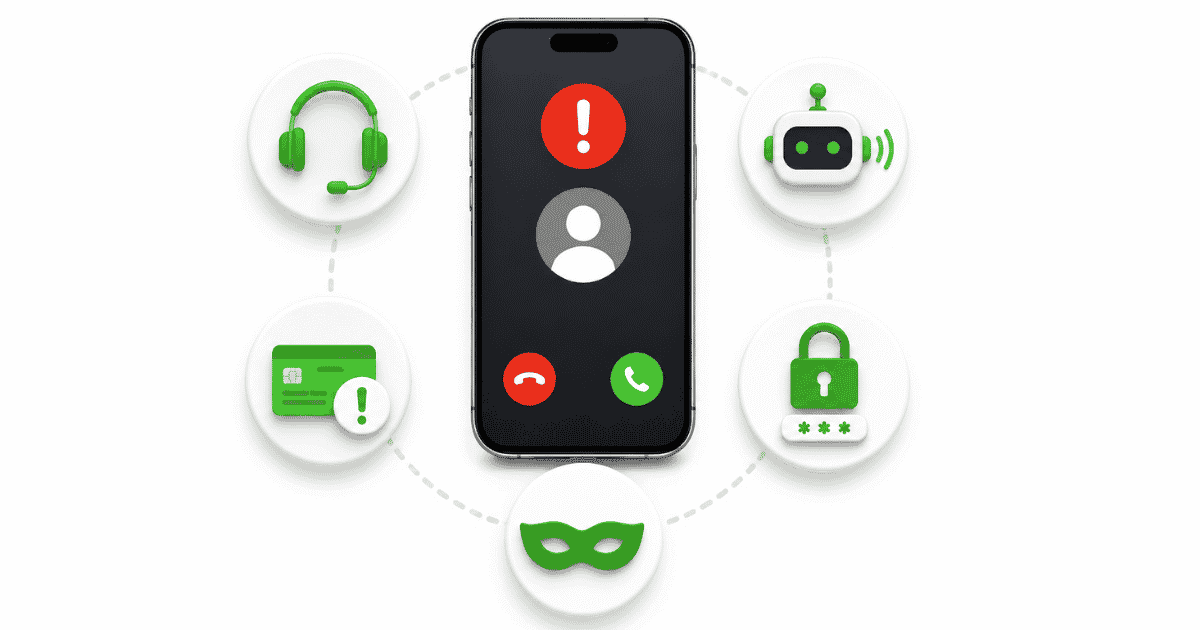
Telemarketing calls
Businesses promote products or services, often using automated systems. High volume calling is what gets them flagged.
Robocalls
These are pre-recorded automated messages used for ads, political campaigns, surveys, and outright scams.
Scam and fraud calls
Callers pretending to be from your bank, tax authority, Amazon, or a delivery company. Their goal is to get money or personal information out of you.
Phishing calls
Designed specifically to extract private information like passwords, OTP codes, card numbers, usually by creating urgency or fear.
Spoofed numbers
Fake caller IDs that make a number look local or familiar. Scammers use these to increase the chance that you pick up before you think twice.
Why is a call sometimes labelled as spam?
Your carrier and your phone's spam detection system are scanning incoming calls before they even reach you. They look at the number's history, behavior, and patterns and if something seems off, the "Potential Spam" label appears.
Carriers do not rely on just one signal. They combine AI, machine learning, spam databases, and user reports to identify whether a number is risky or not. In the first six months of 2024, Hiya, a call protection company based out of Seattle, flagged nearly 20 billion calls as suspected spam, that is more than 107 million spam calls every single day.
The volume is enormous, which is exactly why automated detection systems exist in the first place. Now, apart from potential scam, such calls have other labels too which one needs to be aware of.
Potential spam vs other warning labels
What does potential spam mean compared to the other labels your phone throws up? They are not all the same. Here is the difference:
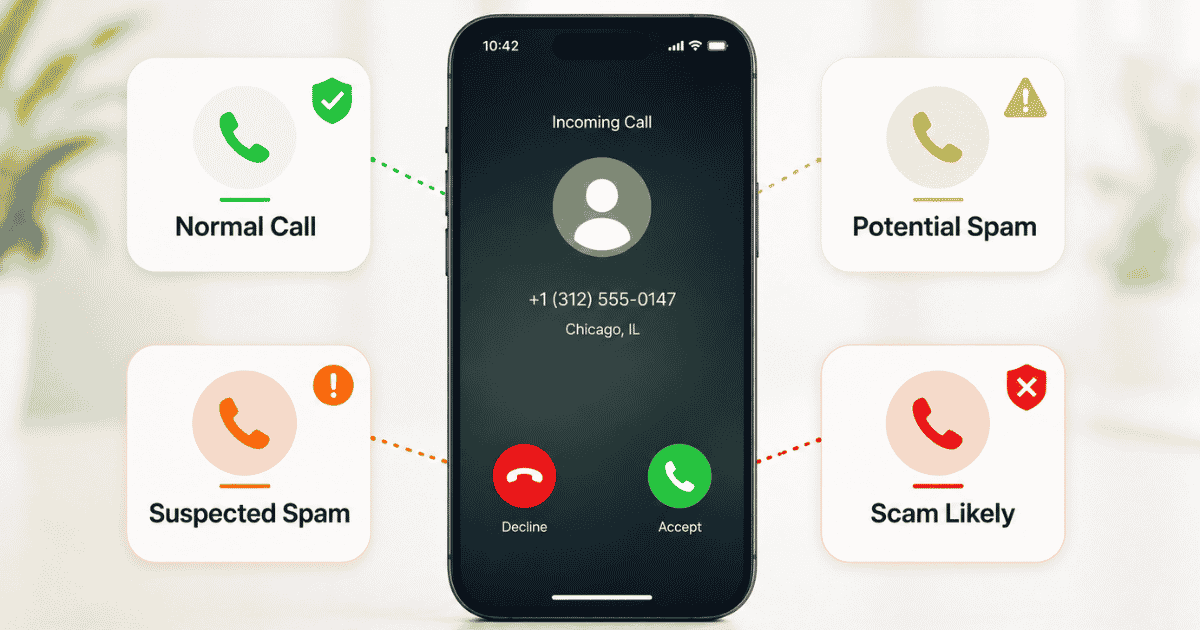
What does potential spam mean compared to the other labels your phone throws up? These are important to learn and worth giving a read:
Potential Spam vs Suspected Spam
"Potential Spam" is a softer warning. The system has noticed some red flags but is not certain. "Suspected Spam" usually means more reports have come in, or the calling behavior was more clearly suspicious. Hence, picking up a call labelled as ‘Suspected Scam’ is a strict no.
Potential Spam vs Scam Likely
This is the bigger gap. "Potential Spam" typically covers nuisance calls like telemarketing or unknown numbers. "Scam Likely" means the system has strong reason to believe the caller is attempting fraud, identity theft, or trying to deceit you monetarily. If you see "Scam Likely," do not pick up.
Potential Spam vs Robocalls
These are the most irritating ones. Robocalls are a specific type of call that uses pre-recorded messages or automated dialing. Many robocalls get labeled as "Potential Spam" because of how many people they reach in a short time. But not every robocall is illegal or harmful, some are from legitimate businesses or public services. So, you can pick these kind of calls if you are interested in knowing about a credit card eligibility or a bank loan offer.
Are potential spam calls always dangerous?
No. That is the short answer to what does potential spam mean in terms of actual risk.
In the United States, consumers faced an average of 15 spam calls per month, with a spam rate of 29%. However, only 1% of these unwanted calls were identified as fraud. That answers your question pretty well.
Most of the time, a potential spam call is annoying rather than dangerous. This could be a robocall about your car warranty or a company calling too many customers at once.
The danger starts the moment someone on the other end tries to get something out of you. That means:
Asking for your OTP, password, or PIN
Requesting banking details or card numbers
Building a false sense of urgency to push you into a quick decision
Pretending to be from your bank, a government office, or a delivery service
Just answering a call does not compromise you but sharing information does.
What happens if you answer a potential spam call?
Don’t get worried, you can still save yourself. Answering the call is rarely the problem. Picking up and then the steps that follow, agreeing to whatever the person on the other hand is saying is what created the real trouble. Here is what to watch for:
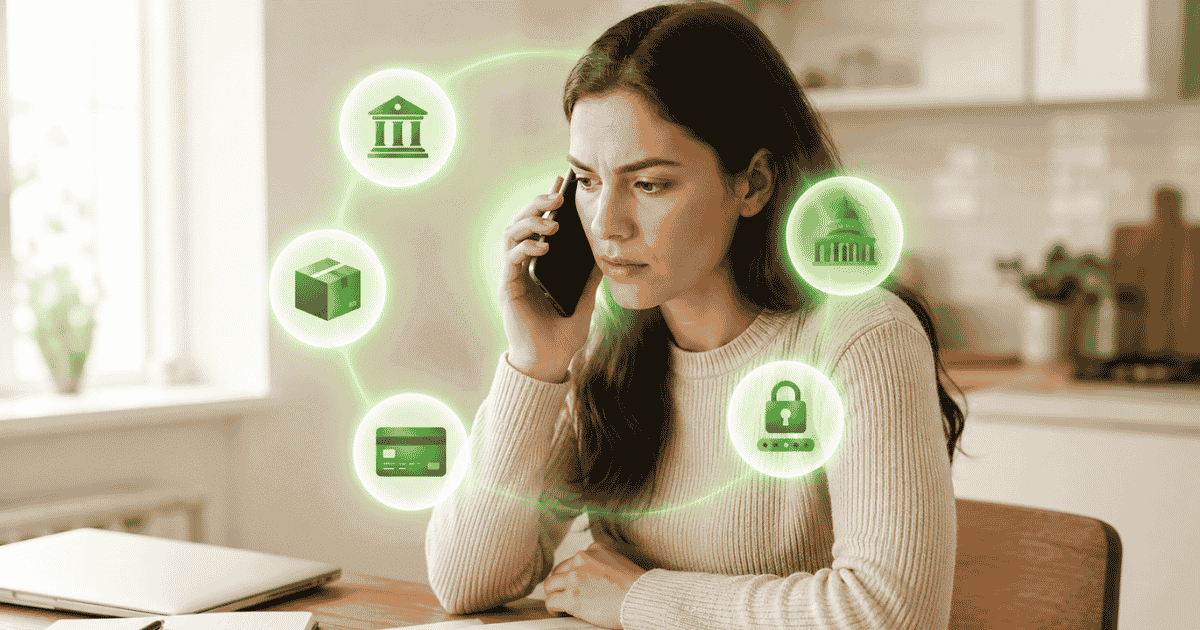
You don’t have to trust
Bank representatives, delivery couriers, government officers, tech support agents, scammers adopt whatever identity is most likely to get you to lower your guard. These are the kind of identities scammers choose to fool you, hence you have to be alert with people who introduce themselves as such and try to extract information out of you.
Do not share all the confidential information
Never share your personal details, banking information, OTP codes or card numbers. Sometimes they build a fake emergency or try to entice you with a reward. Getting fascinated by any of these can make you lose all your money.
Your number gets marked as active
38% of businesses have no idea whether they are being marked as potential fraud or not, but scammers absolutely track which numbers pick up and use a business’s disadvantage as their strength and play the game.
Never share who you are
A name, a date of birth, an address, details that feel harmless on their own can be combined and used later for identity fraud. Say, today someone takes all these notes and you think what can they do with this data. But tomorrow, these are the details that they will share with you from a completely different platform with an absolutely different identity and try to gain your trust.
In the end, the rule is simple. Pick up if you must but share nothing.
Why do we get potential spam calls?
One simple reason is we end up putting our contact details at places where we shouldn’t and tracking anything is pretty easy these days. Hence, data gets leaked, spreads and you start getting calls, however other reason could be:
Data breaches
We all are associated with different brands in some or the other way. If data breach happens and their call directories are leaked, we become a victim to these things and start getting random calls.
Online forms and apps
Every time you enter your number into a contest, a website, or an app with loose permissions, it can be shared with third-party marketers.
Public profiles
If your number is visible on social media, a business listing, or a public directory, it is easy to collect.
Random auto-dialing
Many spam callers do not need your number specifically. They dial through ranges of numbers at scale until they find active lines. Yours can be on the list too!
How to block potential spam calls
Knowing what potential spam means is step one. Doing something about it is step two. Here’s how you can avoid spam calls:
Use your phone's built-in spam protection
Both iPhone and Android have native spam detection that can silence unknown callers or flag suspicious numbers automatically.
Turn on carrier spam filters
Most mobile carriers offer spam filtering at the network level, catching suspicious calls before they reach your phone.
Use apps
Apps like Vault draw on large databases of reported numbers and user feedback to identify and block potential spam calls.
Block numbers manually
If the same number keeps calling, block it directly.
Register for Do Not Disturb services
DND registration can reduce promotional and telemarketing calls without you needing to manage each one individually.
Where Vault steps in?
Spam calls are one entry point. But the bigger threat today is what happens after the call, when a scammer follows up with a link via WhatsApp or SMS directing you to a fake banking page, a fake payment portal, or a phishing site designed to look completely legitimate.
That is exactly where Vault works. The moment you tap a suspicious link sent to you by an unknown caller or a number you do not recognise, Vault checks it in real time. Fake sites, phishing domains, unverified pages built to steal your credentials, Vault flags them before you enter a single detail.
It will not stop the call from coming in. But it closes the door for any financial loss that can happen to you after the steps you follow post the call. What’s the wait for? Grab your best security friend today so that you can live stress free forever, just imagine losing your money for no reason and never getting it back!
Frequently Asked Questions (FAQs)
If a number shows ‘potential spam’ on my phone, what does it mean?
It means that your spam detection app or carrier is sending you an alert that you should not pick that number. The history behind that number could be unusual calling patterns or maybe it has been blocked or reported by many users. Another reason could be a lot of people are getting innumerable and consistent calls from that number. Also this means that it is a warning but not a confirmed threat.
Is it recommended to pick up a potential spam call?
Picking up a spam call is usually no harm but what happens later can lead to a huge fraud. Especially, if you are sharing stuff like your bank details, OTP or passwords. If the caller is asking for any such confidential information, immediately keep the call.
Can an official number from platforms like Amazon be flagged as spam?
Unfortunately, yes. This is because they do bulk calling and customers tend to block such numbers out of irritation or to avoid disturbance during busy schedules. Not just Amazon, even numbers from hospitals, delivery services, food delivery apps and banks can be flagged too.
Why am I suddenly getting more potential spam calls?
In our day to day lives, we do so many registrations and app logins, sometimes for shopping, games, or any other service. Sometimes, data breach happens and our number gets leaked. Due to such data breach instances, our number is spread across a wide variety of platforms and we start getting continuous spam calls.
What is the difference between potential spam and scam likely?
"Potential Spam" covers a broad range of unwanted calls including telemarketing and robocalls. "Scam Likely" is a stronger warning that the system believes the caller is actively attempting fraud or deception.
How do I stop potential spam calls?
Enable built-in spam protection on your device, turn on carrier-level spam filters, use Vault, block repeat offenders manually, and register for DND services.





AI-native digital protection platform for modern users.






© 2026 Vault Security. All Rights Reserved.